When Your Favorite Book Comes Home Unread: The Quiet Sting of a Returned Story
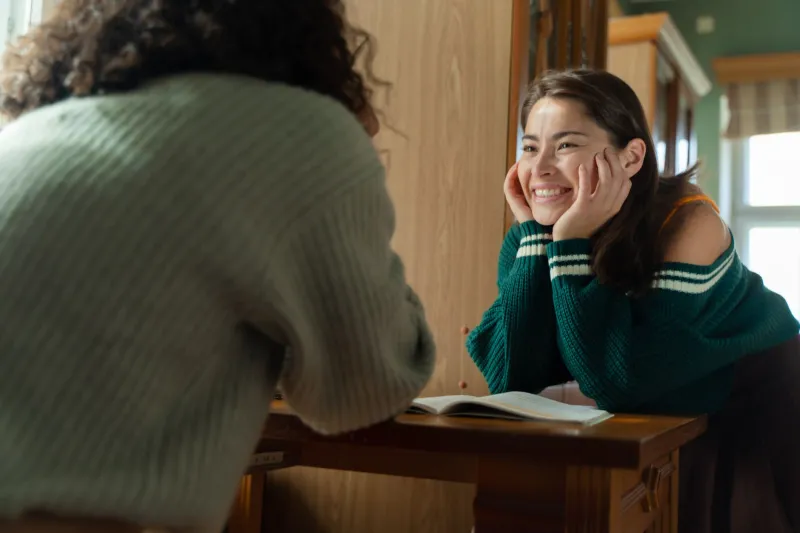
There's a specific kind of disappointment that doesn't have a name yet. It happens the moment a friend slides your book back across the table — cover unmarked, pages unbent, the whole thing looking exactly as it did the day you handed it over with barely contained excitement. No dog-ears. No coffee ring on page 47. Not even a single cracked spine crease to suggest the story ever got cracked open at all.
You smile. You say something like, "Oh, no worries!" And then you go home and feel weirdly terrible about it.
This is what we're calling the book swap breakup — and if you've ever lived through one, you already know it hits different than it should.
Why a Book Is Never Just a Book
When you recommend a book to someone you care about, you're not really talking about paper and ink. You're saying: this thing changed something in me, and I think you'll get it. That's a vulnerable move. You're essentially handing a friend a map to your inner world and trusting them to take the trip.
Books that matter to us carry emotional weight that's hard to explain to people who haven't experienced it. The novel that got you through a rough breakup, the memoir that made you call your mom, the thriller that had you texting a friend at midnight with theories — these aren't just good reads. They're landmarks in your personal story.
So when someone returns that book without reading it, it doesn't just feel like a missed connection. It can feel like a quiet rejection of the part of yourself you were offering up.
The Unspoken Contract of the Book Lend
Here's the thing nobody really talks about: lending a book comes with an invisible set of expectations. You expect your friend to actually read it. You expect them to feel something. You expect a conversation — even a short one — where you get to geek out together over the parts that wrecked you.
That unspoken contract is real, even if it's never discussed. And when it goes unfulfilled, you're left holding the awkward weight of an expectation that was never agreed to in the first place.
The tricky part? Your friend probably didn't mean anything by it. Life got busy. The book sat on their nightstand under a pile of mail. Their reading habits shifted. None of that is personal. But the feeling of it still lands personal, because the stakes on your side were never just about the book.
The Hierarchy of Hurt: Unread vs. Untouched
Not all returned-unread scenarios are created equal. There's a difference between a friend who read three chapters and genuinely couldn't get into it versus one who never opened it at all.
The partial reader? That's manageable. At least they tried. There's a conversation to be had — maybe even a fun one — about what didn't click and whether the book might land differently at another point in their life.
But the untouched return? That one carries a different message, even if unintentionally. It suggests the book never even made it onto their priority list. That the recommendation — and the enthusiasm behind it — didn't leave much of an impression after you handed it over.
And honestly, that can sting more than a friend reading it and hating it. Disagreement at least means engagement. Silence means the thing you cared about didn't register enough to even begin.
What It Might Be Telling You About the Friendship
Before you spiral, let's be real: one unreturned-read doesn't mean your friendship is on shaky ground. People are overwhelmed. TBR piles are catastrophically tall. Sometimes even our most beloved friends just don't have bandwidth for the books we push on them.
But if this is a pattern — if you're consistently sharing things that matter to you and they're consistently not making the effort — it might be worth paying attention to. Friendship is built on mutual investment, and the book-swap dynamic is actually a pretty good low-stakes test of that.
Do they ask about your reading life? Do they follow up on recommendations you've made before? Do they share their own favorites with the same kind of energy? The answers to those questions matter more than any single returned book.
How to Have the Conversation Without Making It Weird
So what do you actually do when the book comes back untouched and you're sitting with that quiet disappointment?
First, give your friend the benefit of the doubt. Lead with curiosity, not accusation. Something like, "Did you ever get a chance to start it?" opens a door without making anyone defensive. Maybe there's a real reason it didn't happen — and knowing that reason might actually make you feel better.
If they admit they just couldn't get into it or lost momentum, share what made it meaningful to you. Not to guilt them into reading it, but because that context might genuinely spark their interest in a way your original recommendation didn't. Sometimes people need to understand why a book mattered before they can connect with it.
And if they're just not a reader in the same way you are? That's okay too. Not every friendship has to be a reading friendship. Some of the best connections in your life might be with people who prefer podcasts, or hiking, or binge-watching prestige TV. The goal isn't to turn everyone in your life into a book person — it's to find the ones who already are and lean into that.
Finding Your Real Reading People
One of the best things about being part of a community like FriendsBook is that you don't have to rely solely on your existing circle to find people who'll actually read the things you recommend. Sometimes your coworker or college roommate just isn't the audience for your literary enthusiasm — and that's fine.
The readers who will devour your recommendations, text you about plot twists at 11 PM, and hand you something back with a full debrief? They're out there. Sometimes you meet them in book clubs. Sometimes they find you through a shared review online. Sometimes a stranger's comment about your tote bag starts a whole new reading friendship.
The book swap breakup hurts because it reminds you how much you wanted that connection. But it also points you toward something useful: a clearer picture of who in your life is really on that wavelength with you.
The Takeaway
Returning a book unread isn't a crime. But it's not nothing, either — at least not to the person who lent it with genuine hope.
The sting is real, it's valid, and it doesn't make you overly sensitive for feeling it. Books are personal. Recommendations are personal. The desire to share a story you love with someone you care about is one of the most human impulses there is.
So the next time your favorite novel comes back looking suspiciously untouched, let yourself feel whatever you feel about it. And then maybe use it as a nudge to find the people who'll actually go on that journey with you. They exist. And when you find them, it's worth every awkward return in between.