Your Long-Lost Lend Just Walked Back Through the Door — and It's Not the Same Book Anymore
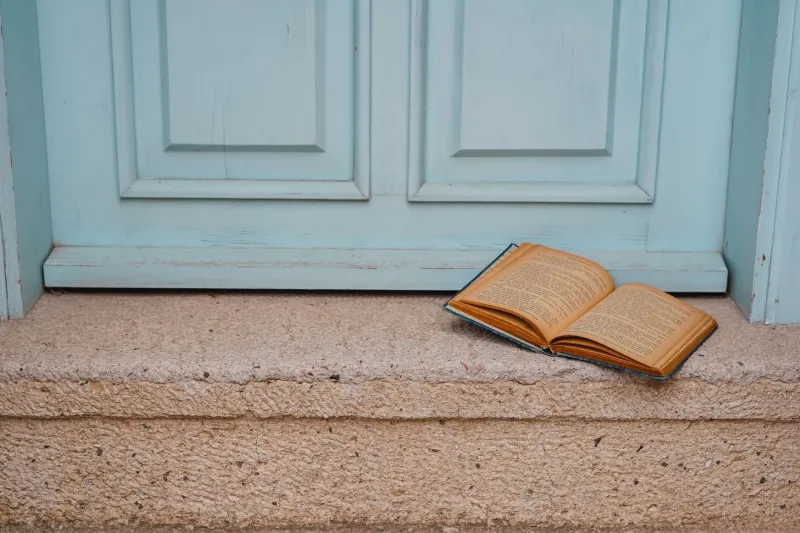
There it is. Sitting on your kitchen counter like it never left, except it absolutely did — and it shows. The spine is cracked at an angle you don't recognize. There's a coffee ring on the back cover. And when you flip it open, there are penciled notes in the margins that are definitely not yours.
Your book came home. And somehow, that feels more complicated than you expected.
For anyone who has ever lent a book to a friend and quietly grieved its disappearance, the return is supposed to be the happy ending. But anyone who's actually lived through it knows the reality is stranger and more emotionally layered than a simple exchange of property. The book that came back isn't quite the book you lent out. And honestly? You might not be quite the same reader who lent it either.
The Book You Lent vs. The Book That Returned
Let's be real about what happens to a book over three years. Pages yellow a little. The cover softens. If your friend read it on a beach vacation in the Carolinas, there might be actual sand in the gutter. If they carried it in a bag during a particularly rough stretch of life, the corners will tell that story whether they mean them to or not.
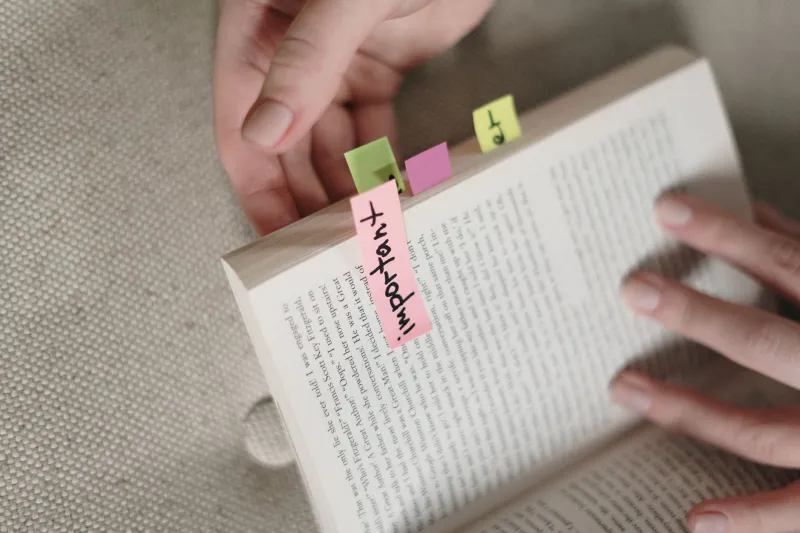
Physical wear is one thing — you can make peace with a bent cover. But the annotations are something else entirely. A stranger's handwriting in the margins of your own book is one of the most disorienting reading experiences there is. You scan a passage you've read a dozen times and suddenly there's a tiny yes!! written beside it, or a question mark, or — worse — a single word that reframes the whole paragraph in a way you never considered.
Some people find this infuriating. Fair enough. Others find it genuinely transformative. Because here's the thing: those marks are a record of someone else's reading mind. They're a window into how a person you care about moved through a story that mattered to you. That's not nothing. That might actually be everything.
Do You Ask About the Dog-Ears, or Do You Just Accept the Mystery?
This is the real question, isn't it? You've got the book back. You've noticed the things. Do you bring them up?
There's a case for just letting it go. Maybe the dog-ears mark pages your friend wanted to reread, or maybe they mark pages that hit too close to home during a hard season. Asking about them puts your friend in the position of explaining something that might have been entirely private. Books are intimate objects. When someone reads your recommendation, they're doing it alone, in their own head, with their own history. The annotations might not be meant for you.
But there's also a case for asking — gently, curiously, without pressure. Something as simple as "I noticed you marked a few pages — did anything stand out to you?" opens a door without forcing anyone through it. And sometimes that question leads to the best conversation you've had with that person in years. You find out they underlined the same passage you always loved, or that they disagreed with a character choice that you defended, or that they read the whole thing in one weekend because they couldn't put it down.
That's the magic of shared reading, and it doesn't expire just because three years passed.
What Time Does to a Book Friendship
Here's something worth sitting with: the friend who returned this book might have read it at a completely different point in their life than when you gave it to them. Maybe it took them two years to even crack the cover. Maybe they started it three times. Maybe they finally finished it during a cross-country move, or a breakup, or a long hospital stay, and the version of the story they experienced has nothing to do with the version you handed them.
Meanwhile, you've kept living too. The book has been gone long enough that your own relationship to it has probably shifted. If you were to reread it right now, you'd bring different eyes. The things that felt urgent to you at twenty-eight feel different at thirty-one. The character you once identified with might now feel less like a mirror and more like a cautionary tale.
So when you hold this returned copy, you're holding a collision of timelines. Your past self, your friend's past self, the person they are now, the reader you've become. It's a lot for one paperback to carry.
The Option Nobody Talks About: Reading It Again Together
If you want to turn a slightly awkward book handoff into something genuinely meaningful, here's an idea worth floating: suggest a reread. Not in a book club, high-pressure kind of way — just a casual "hey, now that you've read it, I kind of want to go back through it" vibe.
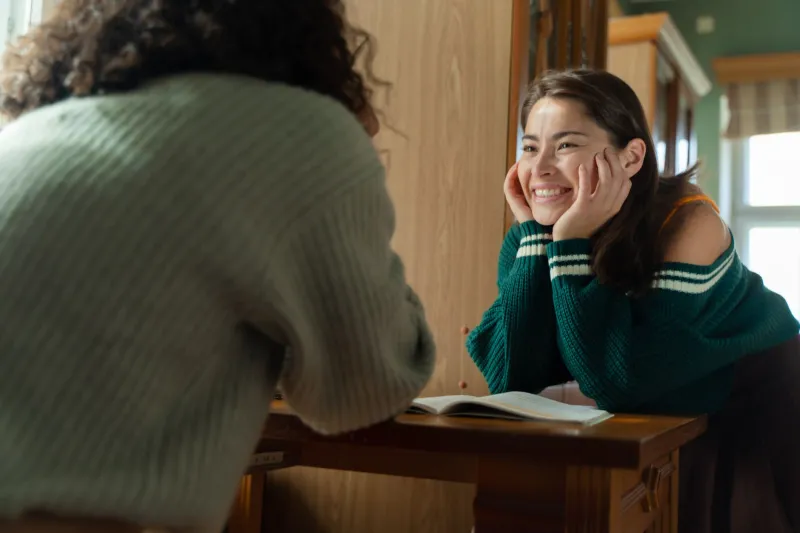
Reading a book again after someone you know has been through it is a completely different experience. You notice things you glossed over before. You wonder which scenes they lingered on. You find yourself wanting to compare notes in real time rather than reconstructing what they might have thought.
FriendsBook exists exactly for this kind of moment — the reconnection that happens around a shared story. Whether you're trading thoughts in a community thread, setting up a two-person virtual chat, or just texting back and forth with reactions chapter by chapter, the infrastructure for that kind of reading friendship is right here.
Should You Be Upset It Took Three Years?
Maybe. But also — maybe not.
Life gets in the way of returning borrowed things. It gets in the way of a lot of things we mean to do. The fact that your friend held onto this book for three years and then actually gave it back says something. They didn't donate it. They didn't lose it in a move and just pretend it never happened (we've all been on both sides of that one). They carried it through whatever the last three years looked like for them, and at some point they made the effort to get it back to you.
That's a gesture worth something.
The book changed while it was gone. You probably changed too. And now it's back, with new marks and new wear and someone else's reading life folded into its pages. That's not damage. That's history.
Maybe the best thing you can do is make some tea, open to the first dog-eared page, and find out what they saw there.